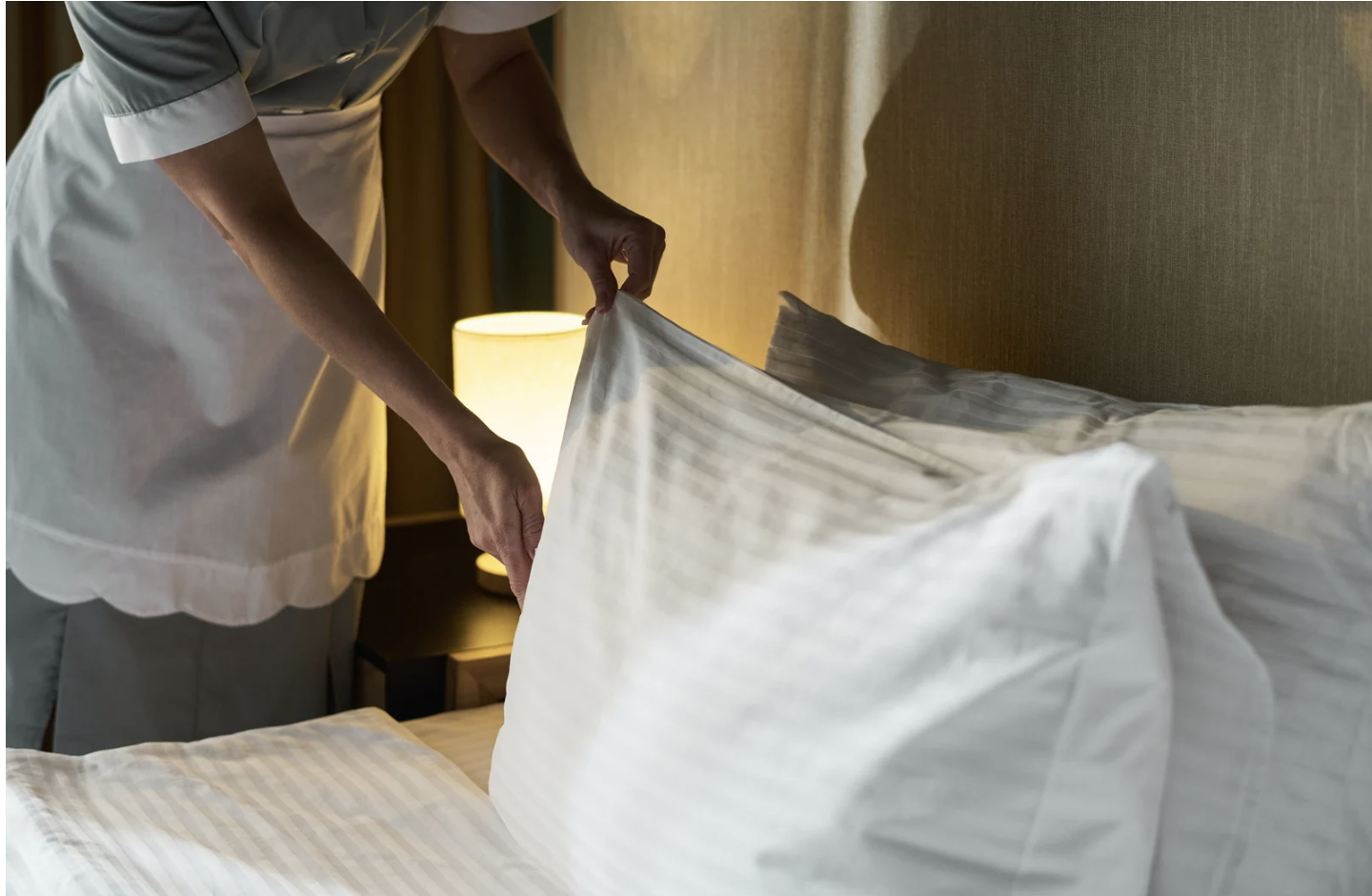
Housekeepers for ultra-high-net-worth households do a different job than standard housekeeping. The stakes are higher, the standards are exacting, and the margin for error is razor thin. A single mishandled item, a misplaced schedule, or a lapse in discretion can cost trust that took years to build.
If you are hiring, promoting, or working toward a housekeeper role in an ultra-high-net-worth household, you need to understand what actually separates exceptional candidates from adequate ones. It is not just cleaning skill. It is judgment, systems thinking, and an almost invisible level of professionalism.
What Makes Ultra-High-Net-Worth Housekeeping Different
A housekeeper in a UHNW household often manages far more than cleaning. You might oversee the care of museum-quality art, handle couture garments that require specific storage conditions, or coordinate with an estate manager on room turnover for back-to-back guest visits. The home itself might span multiple wings, multiple properties, or multiple countries.
This is not a job you can learn purely from a training manual. You need to read a household’s rhythm. You need to know when the principal wants a home that feels lived-in and warm, and when they want museum-level precision before an event. Both instincts matter, and switching between them is part of the job.
Discretion Is Non-Negotiable
Every UHNW household runs on trust. You will see financial documents left on a desk, overhear sensitive phone calls, and notice the small signs of a family’s private struggles. None of that leaves the house. Ever.
Discretion in this context is not a personality trait you either have or don’t. It is a discipline you build:
You never discuss one household’s habits with another employer, even years later. You never take photos inside the home, even innocent ones, without explicit permission. You never share details with other staff members unless it directly affects their work.
Agencies placing candidates in UHNW homes screen hard for this. A housekeeper who gossips about a former employer, even casually, is a liability no household can afford.
Attention to Detail That Goes Beyond Clean
In a UHNW home, “clean” is the baseline, not the standard. The real differentiator is attention to detail that most people would never notice, but the principal absolutely will.
This means:
Knowing that a Persian rug needs rotation every few months to prevent uneven fading. Understanding that certain marble surfaces require pH-neutral cleaners, not all-purpose ones. Recognizing which flowers in a bouquet will wilt fastest and refreshing them before anyone asks. Noticing a loose button on a jacket in the closet and having it repaired before it becomes a problem.
These details rarely get praised out loud. But they get noticed the moment they are missed.
Managing Specialized Care and Materials
Wealthy households often contain items most housekeepers never encounter in a typical role. Fine art requires specific humidity and light conditions. Designer wardrobes need garment-specific care, from cashmere to raw silk. Antique furniture can be damaged by the wrong cleaning product in seconds.
A strong candidate for this work either arrives with this knowledge or is eager to learn it fast. Agencies often connect housekeepers with specialized training in textile care, art handling basics, and the use of archival-quality materials for storage. If you’re building a career in this space, seek this training out. It is what moves you from “housekeeper” to “specialist household staff.”
Working Within the Household Hierarchy
In larger UHNW households, you are rarely working alone. You report into an estate manager or house manager, and you coordinate daily with other staff, from private chefs to nannies to security personnel. Clear, professional communication across this hierarchy matters as much as the physical work.
This means:
Reporting issues up the chain instead of trying to fix major problems unilaterally. Respecting the boundaries of other staff roles instead of overstepping into someone else’s responsibilities. Communicating scheduling conflicts early, not the morning they happen.
A housekeeper who works well within this structure makes the entire household run smoother. One who creates friction, even through small territorial disputes, becomes a problem the estate manager has to manage.
Adapting to Multiple Properties and Constant Change
Many UHNW families split time across several homes, sometimes in different countries. You might prepare a property for the family’s arrival with only days of notice, then close it down again for months at a time. Each property might have different systems, different local staff, and different expectations.
Flexibility here is not optional. You need systems that travel with you: checklists for opening and closing a property, inventory tracking for linens and supplies, and a consistent standard you can replicate no matter which house you’re in. The housekeepers who thrive in multi-property households build these systems themselves rather than waiting for someone else to hand them a process.
What Agencies Look for When Placing UHNW Housekeepers
When screening candidates for these placements, agencies look past the resume line about years of experience. They look for specific evidence: how a candidate has handled a discretion challenge in the past, how they describe their relationship with previous principals, and how they talk about mistakes they’ve made and corrected.
A candidate who can describe a real situation, like catching a maintenance issue before it damaged a hardwood floor, or handling a last-minute change in travel plans across two properties, tells an agency far more than a polished list of duties ever could.
What Sets Great UHNW Housekeepers Apart Long-Term
The housekeepers who stay with the same UHNW family for years share a pattern. They stop thinking in tasks and start thinking in systems. They treat every property, every principal preference, and every staff relationship as something to study, not something to endure.
Building a Career in This Space
If you want to move into UHNW housekeeping or advance within it, focus on three things. Build specialized knowledge in textile, art, and material care. Practice discretion as a daily habit, not a rule you remember when it’s convenient. And develop the communication skills to work smoothly within a household staff hierarchy.
The housekeepers who last in this space for years, sometimes decades, with the same family are the ones who take the role seriously as a profession, not a set of tasks to complete. That is what separates housekeepers for ultra-high-net-worth households who get repeat placements from those who cycle through one short-term role after another.
Recognized by Forbes as one of America’s Best Professional Recruiting Firms for 2024, 2025 & 2026, as well as by Business Insider America’s Top Recruiting Firms and Inc Magazine’s PowerParter’s List, Pocketbook Agency is an award-winning boutique recruitment firm placing exceptional, high-level administrative and support roles across the US in both corporate and domestic settings. If interested in working with us or for additional inquiries, please reach out to [email protected].
Pocketbook Agency | pocketbookagency.com
Executive & Domestic Support Recruitment for HNW & UHNW Individuals, Families, Family Offices, and Corporations
 Home
Home
 Dossier Search